From Ray and Moth’s youth through their years at the farm
A Shared Life
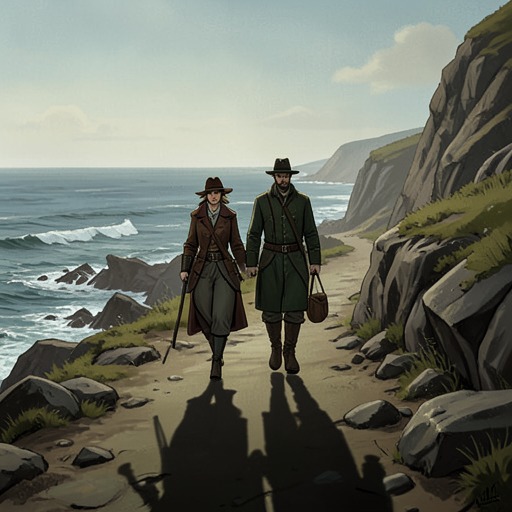
[Ray](entity:character-recall-character-ray-b860e51616e4) met [Moth](entity:character-recall-character-moth-5f3755744da5) when she was eighteen, and their intense partnership shaped the life they built together. They restored a ruined farm in [Wales](entity:location-recall-location-wales-caac7a868991), raised [Rowan](entity:character-recall-character-rowan-eaefb657d259) and [Tom](entity:character-recall-character-tom-268ddde4835d), kept animals, and created a holiday business in a barn, investing nearly everything they had in their home and family.
Three years before the walk
Cooper’s Claim
[Moth](entity:character-recall-character-moth-5f3755744da5) had trusted [Cooper](entity:character-recall-character-cooper-abcb84e40b6c), a childhood friend, enough to invest a substantial sum in one of his companies. When the company failed, Cooper argued that the couple were liable for its unpaid debts, turning a friendship into a long financial and legal dispute.
At the end of the three-year court battle
The Legal Defeat
After their savings were consumed by legal fees, [Ray](entity:character-recall-character-ray-b860e51616e4) and [Moth](entity:character-recall-character-moth-5f3755744da5) represented themselves in court. They finally obtained a document they believed proved they owed nothing, but the judge refused to admit it because they had not followed the correct procedure and ordered possession of their home to pass to [Cooper](entity:character-recall-character-cooper-abcb84e40b6c).
The day after the possession ruling
The Diagnosis
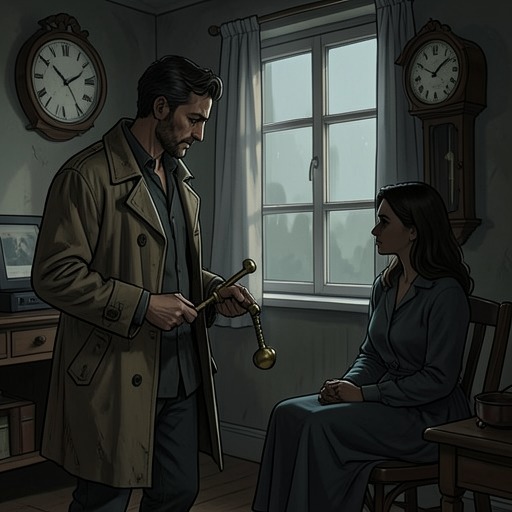
During a hospital appointment in [Liverpool](entity:location-recall-location-liverpool-7a375e857bb9), a consultant told [Moth](entity:character-recall-character-moth-5f3755744da5) that he probably had corticobasal degeneration, a rare progressive disease with no available cure or definitive test during life. The doctor expected a gradual loss of movement and eventually mental function; [Ray](entity:character-recall-character-ray-b860e51616e4) and Moth struggled to accept that the diagnosis might be right.
The day after Moth’s diagnosis
Smotyn’s Death
As the couple faced losing their farm, [Ray](entity:character-recall-character-ray-b860e51616e4) found [Smotyn](entity:character-recall-character-smotyn-4e432ba3bed4) dead beneath the beech trees in the field that had been her home for nineteen years. Ray and [Moth](entity:character-recall-character-moth-5f3755744da5) buried her together, and the loss made the coming departure feel like the burial of their farm life as well.
Five days before they had to leave the farm
The Decision Under the Stairs
When bailiffs came to change the locks, [Ray](entity:character-recall-character-ray-b860e51616e4) and [Moth](entity:character-recall-character-moth-5f3755744da5) hid together beneath the stairs, unable to face leaving the home they had made. Seeing a copy of [Five Hundred Mile Walkies](entity:object-recall-object-five-hundred-mile-walk-2bd62300da46) in a packing box, Ray suggested they simply walk; when Moth asked if they would do it together, she answered, “Always.”
The days after leaving the farm
No Place to Rent
The couple found that repossession, lost income, and poor credit made ordinary renting almost impossible. The council offered no suitable priority housing, and a dismissive assessment of [Moth](entity:character-recall-character-moth-5f3755744da5)’s illness helped convince them they would rather live in a tent than wait in a place that felt wrong.
During the two weeks after the eviction
Choosing the Coast Path
[Moth](entity:character-recall-character-moth-5f3755744da5) could not carry the heavy pack they had used in their youth, and their limited money ruled out expensive equipment. They found a cheap second-hand [Lightweight Vango tent](entity:object-recall-object-vango-452ade3e0615), pared their belongings to essentials, and chose the [South West Coast Path](entity:location-recall-location-south-west-coast-pat-844a7cfa567e) as a route away from [Wales](entity:location-recall-location-wales-caac7a868991) and toward an unknown future.
During preparations to leave
The Children’s Reactions
[Rowan](entity:character-recall-character-rowan-eaefb657d259) feared that [Moth](entity:character-recall-character-moth-5f3755744da5) would fall or become unable to walk, while [Tom](entity:character-recall-character-tom-268ddde4835d) responded to the plan with an easygoing enthusiasm. [Ray](entity:character-recall-character-ray-b860e51616e4) felt the change in her relationship with her grown children: she could no longer shield them from the loss of their home or their father’s illness.
Early August 2013
Leaving Wales
With their remaining belongings and the tent in the van, [Ray](entity:character-recall-character-ray-b860e51616e4) and [Moth](entity:character-recall-character-moth-5f3755744da5) drove away from the farm, their business, and the life they had built. They did not feel as if they were beginning a fresh chapter so much as crossing a rupture, with only the walk ahead of them.
On the journey from Wales toward Taunton
The Glastonbury Detour
Rather than go straight to a friend’s home, [Ray](entity:character-recall-character-ray-b860e51616e4) and [Moth](entity:character-recall-character-moth-5f3755744da5) stopped at [Glastonbury](entity:location-recall-location-glastonbury-f90d3ed88e43) and paid to attend a session promising healing with angels. Moth fell asleep during the relaxation exercise, then panicked when he briefly could not move after lying flat; his stiffness and back pain delayed their departure.
After nearly two weeks staying on Jan’s floor
Finally Homeless
When their temporary stay ended, Jan drove [Ray](entity:character-recall-character-ray-b860e51616e4) and [Moth](entity:character-recall-character-moth-5f3755744da5) to [Taunton](entity:location-recall-location-taunton-6b5d2096f473) and left them with their packs. They had no door to return to and only fifty pounds between them, so they took the bus to [Minehead](entity:location-recall-location-minehead-d296f6387622) to begin the walk.
A Thursday afternoon in early August 2013
The First Steps
At the start marker in [Minehead](entity:location-recall-location-minehead-d296f6387622), [Ray](entity:character-recall-character-ray-b860e51616e4) and [Moth](entity:character-recall-character-moth-5f3755744da5) delayed taking their first step, anxious about their age, health, and empty pockets. They set off late and immediately encountered the steep ascent onto [Exmoor](entity:location-recall-location-exmoor-c5552776b4d6), discovering that the guidebook’s mild description concealed a punishing climb.
Their first night on the trail
The Ant-Covered Campsite
With darkness approaching, the couple searched for level ground on [Exmoor](entity:location-recall-location-exmoor-c5552776b4d6) and found that every short-grass patch was alive with ants. They pitched the tent on heather instead, struggled with its unfamiliar poles, and shivered through a night in sleeping bags too thin for the exposed cold.
The following day near Bossington
The First Blister
After a slow morning, [Ray](entity:character-recall-character-ray-b860e51616e4) and [Moth](entity:character-recall-character-moth-5f3755744da5) descended to [Bossington](entity:location-recall-location-bossington-ecedd6bad391), where the pain of walking made them doubt they could manage the route. Ray’s old boots had raised a huge blister on her foot, and their first cream tea became, as far as she knew, their last indulgence of that kind for the summer.
During their first days on the coast
Chips at Porlock Weir
At [Porlock Weir](entity:location-recall-location-porlock-weir-60622bf92f36), [Ray](entity:character-recall-character-ray-b860e51616e4) and [Moth](entity:character-recall-character-moth-5f3755744da5) accepted an invitation to try the local triple-cooked chips. The meal cost more than they could afford, but they were still raw from losing their home and saying yes to small comforts; the expense made the need to ration their money unmistakable.
A few days into the walk near Culbone Church
The Blind Man’s Prediction
In the peaceful graveyard at [Culbone Church](entity:location-recall-location-culbone-church-b075cbc8e6da), [Ray](entity:character-recall-character-ray-b860e51616e4) and [Moth](entity:character-recall-character-moth-5f3755744da5) met a blind man who had been moving his hands through the air on the path. He predicted that they would overcome setbacks and survive their journey, then added that they would walk with a tortoise, an odd prophecy they initially treated as a joke.
Early in the first week
Storm at Foreland Point
A gale struck as [Ray](entity:character-recall-character-ray-b860e51616e4) and [Moth](entity:character-recall-character-moth-5f3755744da5) rounded [Foreland Point](entity:location-recall-location-foreland-point-10caf9c769b8), with fog erasing the boundary between the narrow path and the cliff. Moth, already struggling with heights and pain, clung to the grass until they found shelter in a church and then a pub near [Lynmouth](entity:location-recall-location-lynmouth-bc43b2feb218).
The night after the Foreland Point storm
The Cliffside Night
After warming themselves in the pub, [Ray](entity:character-recall-character-ray-b860e51616e4) and [Moth](entity:character-recall-character-moth-5f3755744da5) pitched their tent in a small niche near the cliff. At dawn Ray discovered how close they were to the drop and had to use a gorse bush as cover; the next morning made clear how difficult and exposed their wild camping would be.
A few days into the walk in Lynton
Coins Down the Hill
Outside a grocery shop in [Lynton](entity:location-recall-location-lynton-ae41a7420def), a lunging dog knocked [Ray](entity:character-recall-character-ray-b860e51616e4) against a wall and scattered the coins she had been counting for food. A stranger called them tramps, and the insult confronted Ray with how quickly the life she had known had been replaced by the stigma attached to homelessness.
During the first week, near the Valley of Rocks
The Valley of Rocks Crisis
At the [Valley of Rocks](entity:location-recall-location-valley-of-rocks-29bd506f587b), [Moth](entity:character-recall-character-moth-5f3755744da5) admitted that he felt exhausted, foggy, and much older than his years. [Ray](entity:character-recall-character-ray-b860e51616e4) had not been ready to hear his despair, but the couple watched wild goats move across the cliffs and then forced themselves to continue toward the next place to camp.
The following hot day near the Great Hangman
Heat on the Great Hangman
[Ray](entity:character-recall-character-ray-b860e51616e4) and [Moth](entity:character-recall-character-moth-5f3755744da5) crossed exposed cliffs in fierce heat without sunscreen or adequate shade. They climbed the exhausting rises toward the [Great Hangman](entity:location-recall-location-great-hangman-ad6f3750d871), where the physical strain brought Moth’s illness and their uncertain time together sharply back into view.
After reaching Combe Martin and Ilfracombe
Cashback and Verity
In [Combe Martin](entity:location-recall-location-combe-martin-ce207af8b307), three elderly tourist-office workers mistook [Moth](entity:character-recall-character-moth-5f3755744da5) for a local celebrity and called him Mr Armitage. Later in [Ilfracombe](entity:location-recall-location-ilfracombe-b1aeaf28bab1), the couple studied Damien Hirst’s statue [Verity](entity:object-recall-object-verity-f5621c108fb4), whose symbols of justice struck them as an ironic reminder of the court case that had cost them their home.
Near Woolacombe and Braunton Burrows
The Military Detour
A military exercise closed part of [Braunton Burrows](entity:location-recall-location-braunton-burrows-ed07648bd3c3), where [Ray](entity:character-recall-character-ray-b860e51616e4) and [Moth](entity:character-recall-character-moth-5f3755744da5) had hoped to cross toward Braunton. Because Moth was unwell and they could not manage the return journey, soldiers let them ride in a truck through the restricted area and out near the bus route.
That evening in Westward Ho!
The Pub Quiz Winnings
In a bleak bar at [Westward Ho!](entity:location-recall-location-westward-ho-46314988cdbf), [Moth](entity:character-recall-character-moth-5f3755744da5) persuaded [Ray](entity:character-recall-character-ray-b860e51616e4) to enter a pub quiz despite their desperate finances. They won second prize, five pounds, and left without spending it on a drink, buoyed by the small victory as they returned to the trail.
During the next heatwave
The Greencliff Collapse
On [Greencliff](entity:location-recall-location-greencliff-473f3fb4c8e3), heat and exhaustion left [Moth](entity:character-recall-character-moth-5f3755744da5) stumbling and unable to continue. [Ray](entity:character-recall-character-ray-b860e51616e4) found shade and water at [Peppercombe](entity:location-recall-location-peppercombe-2e14abb6b2d5), cooled him beside the stream, and feared that the worsening symptoms meant the disease was progressing faster than they could bear.
That evening near Peppercombe
The Forgotten Medication
[Ray](entity:character-recall-character-ray-b860e51616e4) and [Moth](entity:character-recall-character-moth-5f3755744da5) realized they had left Moth’s [Pregabalin](entity:object-recall-object-pregabalin-35ce5647dacb) behind in the van and that he had already stopped taking it. With no phone signal and no easy way to get help, they stayed on the coast while he developed shaking, nausea, pain, and disturbing sensations.
The days after the medication ran out
The Beach-Shelter Night
As [Moth](entity:character-recall-character-moth-5f3755744da5) suffered through what [Ray](entity:character-recall-character-ray-b860e51616e4) feared were withdrawal symptoms, she monitored him through the night and tried to keep him warm. They made a makeshift shelter from washed-up materials on a beach, briefly imagining it as a home, but knew they had to move when their food ran out.
The next morning and their arrival at Clovelly
Ladybirds and Pasties
A mass of ladybirds covered [Ray](entity:character-recall-character-ray-b860e51616e4) and [Moth](entity:character-recall-character-moth-5f3755744da5) as they woke, offering Ray a fragile image of good luck. Moth felt clearer after stopping [Pregabalin](entity:object-recall-object-pregabalin-35ce5647dacb), and at [Clovelly](entity:location-recall-location-clovelly-b982bf58dc03) their hunger eased when a young café worker secretly gave them pasties that would otherwise have been thrown away.
After leaving Clovelly, during the heatwave
Grant’s Orchard
With no food or water left and the temperature dangerously high, [Ray](entity:character-recall-character-ray-b860e51616e4) and [Moth](entity:character-recall-character-moth-5f3755744da5) accepted a lift from Grant, who invited them to camp in his orchard. They showered, drank freely, and ate a large meal, a sudden abundance that recalled the home and security they had lost.
The morning after staying with Grant
The Poet Mix-Up
Grant mistook [Moth](entity:character-recall-character-moth-5f3755744da5) for the poet [Simon Armitage](entity:character-recall-character-simon-armitage-40b64d3c958a) and encouraged him to perform poetry and pose for publicity photographs. Moth played along with the misunderstanding, while [Ray](entity:character-recall-character-ray-b860e51616e4) recognized how their invented story of having sold their home sounded more acceptable to strangers than the truth that they had lost it.
On reaching Bude
Eleven Pounds in Bude
At the cash machine in [Bude](entity:location-recall-location-bude-33b87ff100e1), [Ray](entity:character-recall-character-ray-b860e51616e4) discovered that a direct debit for insurance on their former property had left them with only eleven pounds. The mistake intensified her guilt about the court case and about bringing [Moth](entity:character-recall-character-moth-5f3755744da5) onto the trail, but he comforted her and insisted they could survive on noodles.
After leaving Bude near Widemouth Sand
A Challenge on the Beach
A brisk group of long-distance walkers dismissed [Ray](entity:character-recall-character-ray-b860e51616e4) and [Moth](entity:character-recall-character-moth-5f3755744da5) as irresponsible, only to learn that the couple had walked from [Minehead](entity:location-recall-location-minehead-d296f6387622) and were still heading west. Their disbelief made Moth stand taller, and their approval at a café when Ray recovered a forgotten fleece strengthened the couple’s pride in what they were accomplishing.
During the following days
The Road to Tintagel
The relentless hills beyond [Crackington Haven](entity:location-recall-location-crackington-haven-145378b60960) and [Boscastle](entity:location-recall-location-boscastle-d49035be90ea) wore down [Ray](entity:character-recall-character-ray-b860e51616e4)’s body, and she began experiencing painful urination and blood in her urine. In the rain near [Rocky Valley](entity:location-recall-location-rocky-valley-7b4a2dbac7b1), [Rowan](entity:character-recall-character-rowan-eaefb657d259) called from Venice in a panic, but the bus she feared missing arrived; Ray cried afterward, shaken by her inability to protect her daughter as before.
At the end of August 2013
A Storm at Tintagel
Exhausted and unwell, [Ray](entity:character-recall-character-ray-b860e51616e4) reached [Tintagel](entity:location-recall-location-tintagel-6591c7da09f3) and slept in a hotel lobby while [Moth](entity:character-recall-character-moth-5f3755744da5) found a campsite they could not really afford. That night she stood in the storm and felt the wildness reconnect her to the land and to herself, a first sign that losing the farm had not erased her sense of belonging.
After leaving Tintagel
The Simon Armitage Pursuit
Along the coast, [Moth](entity:character-recall-character-moth-5f3755744da5) repeatedly encountered people who believed he was [Simon Armitage](entity:character-recall-character-simon-armitage-40b64d3c958a), though neither he nor [Ray](entity:character-recall-character-ray-b860e51616e4) initially knew who that was. The confusion followed them through [Port Isaac](entity:location-recall-location-port-isaac-07ad7c017c00) and became a running joke, while their encounters with other walkers offered brief recognition and encouragement.
At the Camel estuary after passing The Rumps
A Hungry Crossing
Weak from hunger, [Moth](entity:character-recall-character-moth-5f3755744da5) struggled near the [River Camel](entity:location-recall-location-river-camel-5cdfa39e1414), and [Ray](entity:character-recall-character-ray-b860e51616e4) considered taking food from a kiosk without paying. She walked away with fudge instead, ashamed of how close need had brought her to theft, then used what money remained to cross by ferry to [Padstow](entity:location-recall-location-padstow-325a4ac1c395).
After reaching St Ives
A Reading in St Ives
A free tarot reading in [St Ives](entity:location-recall-location-st-ives-b4c66a66688b) promised that [Ray](entity:character-recall-character-ray-b860e51616e4) would be well and that [Moth](entity:character-recall-character-moth-5f3755744da5) would share a long life with her. Later, Moth began reading Beowulf aloud to passers-by; people gathered, applauded, and put money in his hat, providing the couple with enough to buy real food and warm jumpers.
The evening after the street reading
The Poem’s True Identity
With the money from [Moth](entity:character-recall-character-moth-5f3755744da5)’s performance, the couple bought provisions and a poster finally explained the [Simon Armitage](entity:character-recall-character-simon-armitage-40b64d3c958a) confusion: the poet was [walking from Minehead to Land’s End](entity:action-recall-action-6dd1f16e50a3) and scheduled to read in [St Ives](entity:location-recall-location-st-ives-b4c66a66688b). The coincidence amused them, and Moth’s public reading had turned his mistaken identity into an unexpected means of survival.
During the stormy crossing toward Zennor
Lost in the Zennor Fog
A violent storm and fog trapped [Ray](entity:character-recall-character-ray-b860e51616e4) and [Moth](entity:character-recall-character-moth-5f3755744da5) among the boulders along the coast, where they lost the path and feared they would wander indefinitely. They eventually found their way to [Zennor](entity:location-recall-location-zennor-67577c0bb05b) and took shelter in a pub, where they encountered a group of carefully scheduled walkers whose supported trip contrasted with their own uncertain one.
Near Pendour Cove after the Zennor storm
The Lightly Salted Blackberries
Two elderly brothers offered [Ray](entity:character-recall-character-ray-b860e51616e4) and [Moth](entity:character-recall-character-moth-5f3755744da5) unusually ripe blackberries, explaining that sea mist had lightly salted the fruit. The encounter gave them a memorable image of nature’s timing and generosity, just as they were beginning to feel that hardship might leave them changed rather than merely depleted.
After reaching Portheras Cove
The Dolphins at Portheras Cove
At [Portheras Cove](entity:location-recall-location-portheras-cove-dff78525726c), [Moth](entity:character-recall-character-moth-5f3755744da5) swam while bottlenose dolphins moved through the bay, briefly seeming part of the water itself. The couple rested, dried their gear, and felt the natural world becoming their home; their encounter also sharpened [Ray](entity:character-recall-character-ray-b860e51616e4)’s concern about the lack of protection for the local dolphins.
A night at Portheras Cove
The Rising Tide
While [Ray](entity:character-recall-character-ray-b860e51616e4) and [Moth](entity:character-recall-character-moth-5f3755744da5) slept in their tent above the apparent high-tide line, an unexpectedly forceful surge began running up the beach. Moth woke, lifted the still-erect tent with their sleeping bags and possessions inside, and carried it to safety through the rushing water.
The morning after the rising tide
A Change in Moth
[Moth](entity:character-recall-character-moth-5f3755744da5) told [Ray](entity:character-recall-character-ray-b860e51616e4) that his shoulder hurt less, his thinking felt clearer, and he could place one foot in front of the other more reliably. The improvement had begun before [Portheras Cove](entity:location-recall-location-portheras-cove-dff78525726c), and the couple wondered whether sustained walking, the herbal treatment they had encountered, or some other unknown factor was affecting his symptoms.
After leaving Pendeen and passing Geevor Tin Mine
The Approach to Land’s End
[Ray](entity:character-recall-character-ray-b860e51616e4) and [Moth](entity:character-recall-character-moth-5f3755744da5) crossed the damaged mining landscape toward [Cape Cornwall](entity:location-recall-location-cape-cornwall-616b8e279984), where Moth thanked the Heinz Company for helping preserve the headland. Land’s End was close, but they chose not to hurry toward it, knowing that the finish would raise the harder question of what came next.
Late summer 2013
Reaching Land’s End
A gale and driving rain met [Ray](entity:character-recall-character-ray-b860e51616e4) and [Moth](entity:character-recall-character-moth-5f3755744da5) at Land’s End, where the tourist complex stood empty and shuttered. They took photographs at the marker without a celebration, then faced a choice: leave for shelter and a return toward [Wales](entity:location-recall-location-wales-caac7a868991), or continue along the coast because they still had no home to go back to.
The day after Land’s End
The Minack Theatre Invitation
Rather than turn back, [Ray](entity:character-recall-character-ray-b860e51616e4) and [Moth](entity:character-recall-character-moth-5f3755744da5) continued east and met David near the [Minack Theatre](entity:location-recall-location-minack-theatre-f99b8da100da). He gave them tickets to an outdoor performance, and members of the cast later drove them to a campsite, another instance of unexpected kindness on a route where they had no dependable place to sleep.
After the Minack Theatre
The Search for an Answer
On the trail beyond [Porthcurno](entity:location-recall-location-porthcurno-855c5a31f74c), [Ray](entity:character-recall-character-ray-b860e51616e4) met an exhausted American woman searching for the Cornish house where she had once spent summers with [John](entity:character-recall-character-john-6bc68dc682c3) le Carré. Their conversation prompted Ray to see the walkers around them as people searching for something lost, and to describe herself and [Moth](entity:character-recall-character-moth-5f3755744da5) as living on the edge between worlds.
As they approached Penzance
A Roof in the Distance
In [Mousehole](entity:location-recall-location-mousehole-a6420fce2431), [Ray](entity:character-recall-character-ray-b860e51616e4) and [Moth](entity:character-recall-character-moth-5f3755744da5) heard how rising property costs and holiday lets had changed the village, then met a homeless man who planned to travel to Thailand. They continued through [Newlyn](entity:location-recall-location-newlyn-2554410516f9) and [Penzance](entity:location-recall-location-penzance-07f72a0fb320), taking the coast as their home even as the weather and the coming winter made that arrangement increasingly uncertain.
During the early autumn on the south coast
The Lizard and a Second Wind
After crossing [St Michael’s Mount](entity:location-recall-location-st-michael-s-mount-0da8f0324c59) and the stormy coast near [Porthleven](entity:location-recall-location-porthleven-7aa02594fa3d), [Ray](entity:character-recall-character-ray-b860e51616e4) and [Moth](entity:character-recall-character-moth-5f3755744da5) travelled through the [Lizard National Nature Reserve](entity:location-recall-location-lizard-national-natu-78d377d03357). Moth’s movement worsened in the cold, but the warmth of the land and occasional stretches of walking still brought relief, keeping alive Ray’s hope that his decline might not be inevitable at the pace predicted.
Late September, during their first journey
Leaving the Coast for Falmouth
At [Falmouth](entity:location-recall-location-falmouth-2323aae526bd), [Ray](entity:character-recall-character-ray-b860e51616e4) confessed her fear that she and [Moth](entity:character-recall-character-moth-5f3755744da5) had abandoned their children by failing to discuss his illness openly. Moth told her he had spoken frankly with [Rowan](entity:character-recall-character-rowan-eaefb657d259) and [Tom](entity:character-recall-character-tom-268ddde4835d), and that their family could face the illness together even though none of them had an easy answer.
After crossing from St Mawes toward Place Creek
The Moonlit Swim
On a clear night, [Ray](entity:character-recall-character-ray-b860e51616e4) and [Moth](entity:character-recall-character-moth-5f3755744da5) swam in moonlit water and saw fish illuminated by broken silver reflections beneath the surface. The experience gave them a rare sense of belonging in the natural world, even as colder nights and Moth’s returning pain warned them that the season was turning.
During the wet crossing near Mullion Cove
A Free Meal at Mullion Cove
A café owner berated a young waiter in front of [Ray](entity:character-recall-character-ray-b860e51616e4) and [Moth](entity:character-recall-character-moth-5f3755744da5), who stayed in the warm room while rain battered the coast. As the waiter quit, he gave the couple two paninis for free and spoke of seeking a different life, echoing the same yearning for possibility that had brought them onto the trail.
At the end of September
The Turn at Lizard Point
At [Lizard Point](entity:location-recall-location-lizard-point-955f820bda7f), the southernmost point of mainland Britain, [Ray](entity:character-recall-character-ray-b860e51616e4) recognized that the route ahead would turn north and that winter required a decision. She felt less driven by anger and grief than before, and began to understand that belonging did not depend on owning land.
Autumn 2013, after leaving the coast
The Meat-Processing Shed
With winter approaching, [Ray](entity:character-recall-character-ray-b860e51616e4) and [Moth](entity:character-recall-character-moth-5f3755744da5) accepted [Polly](entity:character-recall-character-polly-e622df1676c4)’s offer to stay in an old meat-processing shed on her farm. The building was unfinished and uncomfortable, but it gave them a roof; in exchange, they worked on the property, and Ray found herself grateful yet uneasy about becoming dependent on an old friend.
After Moth stopped walking regularly
The Doctor Rejects the Walk
Back in medical care, [Moth](entity:character-recall-character-moth-5f3755744da5) and [Ray](entity:character-recall-character-ray-b860e51616e4) explained that his symptoms had eased while he walked and returned when he stopped. The consultant insisted that the exertion had worsened the disease and dismissed their observations as denial, leaving Ray torn between the authority of the diagnosis and what she had witnessed.
The winter after their first walk
Winter Work on the Farm
[Moth](entity:character-recall-character-moth-5f3755744da5) labored through plastering and building work on the shed despite severe pain, while [Ray](entity:character-recall-character-ray-b860e51616e4) restored equipment, cut wood, and cleaned holiday lets. The roof protected them from snow and cold, but the physical cost of earning their keep became harder to ignore as Moth’s movement grew more difficult.
During the winter and spring at Polly’s farm
Grieving the Lost Life
The farm’s familiar rhythms brought [Ray](entity:character-recall-character-ray-b860e51616e4) close to the life she had lost, but she felt like a guest in someone else’s world. She began to accept that [Moth](entity:character-recall-character-moth-5f3755744da5) might die from [CBD](entity:concept-recall-concept-cbd-1915b81fcde8), and feared that their years of work, family memories, and shared plans had vanished with their home.
Early summer after the first walk
Ray Joins the Shearing Team
[Polly](entity:character-recall-character-polly-e622df1676c4) found [Ray](entity:character-recall-character-ray-b860e51616e4) work wrapping fleeces for a team shearing hundreds of ewes. The fast, physically demanding job gave Ray wages and renewed contact with farm work she knew, but it also made her an unpaid tenant and employee in a relationship where Polly held most of the power.
During the shearing season
Moth’s University Plan
[Moth](entity:character-recall-character-moth-5f3755744da5) began considering a degree and teacher training, hoping to turn his environmental knowledge into work he could manage. He applied to the [University of Plymouth](entity:organization-recall-organization-university-of-pl-4a268e224657) and was accepted, offering the couple a possible income through student finance and a reason to build a new life.
After Ray completed the shearing season
Leaving Polly’s Farm
[Ray](entity:character-recall-character-ray-b860e51616e4) learned that Gordon expected to rent the shed, and she and [Moth](entity:character-recall-character-moth-5f3755744da5) decided to leave rather than wait for their arrangement to end. They used Ray’s shearing earnings to prepare the van, but with only a small amount left and no accommodation for two months, they chose to return to the coast and continue the walk.
The following summer, about a year after the first journey began
Starting Again at Poole
[Ray](entity:character-recall-character-ray-b860e51616e4) and [Moth](entity:character-recall-character-moth-5f3755744da5) returned to the route at [Poole](entity:location-recall-location-poole-de038a44a1a8), carrying warmer sleeping bags and a new hope of finding student accommodation after the walk. Moth was now showing confusion as well as physical symptoms, but the familiar pull of the sea made Ray feel that resuming the journey was the right choice.
The first days after restarting at Poole
The Jurassic Coast Return
The couple crossed the chalk headlands around [Old Harry Rocks](entity:location-recall-location-old-harry-rocks-12aa42ff1feb) and camped above [Swanage](entity:location-recall-location-swanage-29a64c5d6945), rediscovering the open coast after months inland. They watched the landscape reveal its ancient layers, and [Ray](entity:character-recall-character-ray-b860e51616e4) felt the path give her back a sense of direction that ordinary life had not provided.
During the first week of the resumed walk
Meeting Dave and Julie
[Ray](entity:character-recall-character-ray-b860e51616e4) and [Moth](entity:character-recall-character-moth-5f3755744da5) met [Dave](entity:character-recall-character-dave-74386d1e4e25) and [Julie](entity:character-recall-character-julie-5a82eb7a07d7), another pair of wild campers, and were drawn into Dave’s exuberant stories and easy companionship. The friendship gave the couple a welcome distraction from illness and uncertainty, and the four continued to encounter one another along the route.
After leaving Swanage
Through the Military Ranges
[Ray](entity:character-recall-character-ray-b860e51616e4) and [Moth](entity:character-recall-character-moth-5f3755744da5) crossed the [Lulworth Ranges](entity:location-recall-location-lulworth-ranges-abbc2152dfd7), camping on a hillside near [Tyneham Cap](entity:location-recall-location-tyneham-cap-761e17aef1cf) while deer moved around their tent at night. They passed [Tyneham](entity:location-recall-location-tyneham-42e488882ba3), whose residents had been displaced when the army requisitioned the village, recognizing in its history another community separated from home.
During the summer holidays on the resumed walk
The Fall at Weymouth
A violent rainstorm knocked [Ray](entity:character-recall-character-ray-b860e51616e4) into a blackthorn hedge, leaving her bruised and pierced by thorns. In [Weymouth](entity:location-recall-location-weymouth-3a90e0ae3010) she began uncontrollably vomiting and became too weak to walk, so [Moth](entity:character-recall-character-moth-5f3755744da5) spent their remaining money on a bed and bathroom for her in a guest house.
The night after Ray fell ill in Weymouth
John’s Forest Village
With campsites full and [Ray](entity:character-recall-character-ray-b860e51616e4) unable to continue, two men, [John](entity:character-recall-character-john-6bc68dc682c3) and Gav, offered them a lift to a hidden community in a pine wood. John explained that many residents worked but could not afford rural rents; the forest offered shelter and dignity to people priced out of the countryside.
The days after leaving the forest community
Walking Chesil Beach
[John](entity:character-recall-character-john-6bc68dc682c3) dropped [Ray](entity:character-recall-character-ray-b860e51616e4) and [Moth](entity:character-recall-character-moth-5f3755744da5) near Ferrybridge, and they chose to walk the long stretch beside [Chesil Beach](entity:location-recall-location-chesil-beach-3eac7da0940b) rather than attempt the busy route around Portland. [Dave](entity:character-recall-character-dave-74386d1e4e25) and [Julie](entity:character-recall-character-julie-5a82eb7a07d7) rejoined them, and the four shared the quiet scenery of the [Fleet Lagoon](entity:location-recall-location-fleet-lagoon-051a406e5f90) and an evening near Moonfleet Manor.
After crossing West Bay
The Golden Cap Flight
Rain and fog accompanied [Ray](entity:character-recall-character-ray-b860e51616e4) and [Moth](entity:character-recall-character-moth-5f3755744da5) up [Golden Cap](entity:location-recall-location-golden-cap-ef82674d01e2), where Moth climbed onto the trig point and spread his arms in their family’s old flying pose. His unexpected ease and laughter showed that his symptoms had again receded, bringing Ray a rush of hope despite the doctors’ certainty.
Near Lyme Regis, after the improvement at Golden Cap
Accepting the End
With a temporary reprieve from the worst symptoms, [Moth](entity:character-recall-character-moth-5f3755744da5) told [Ray](entity:character-recall-character-ray-b860e51616e4) that he wanted to be cremated and kept in a box until she died, so their children could release them together. Ray finally acknowledged that he would eventually die, and found that accepting death also allowed her to return to life in the present.
After leaving Lyme Regis
The Undercliff Passage
[Ray](entity:character-recall-character-ray-b860e51616e4) and [Moth](entity:character-recall-character-moth-5f3755744da5) entered the dense [Undercliff](entity:location-recall-location-undercliff-b5058f707453), a landscape formed by a massive landslip in 1839 and now grown into a damp tangle of trees and ferns. The path through it made visible how a sudden catastrophe could create a new, enduring wild world.
Near Exmouth, during the resumed journey
A Night on the Golf Course
Unable to find a place between the town and a fenced golf course, [Ray](entity:character-recall-character-ray-b860e51616e4) and [Moth](entity:character-recall-character-moth-5f3755744da5) climbed onto its sixteenth hole and pitched their tent. A shadowy figure frightened them through the night, but at dawn they saw that a nearby cliff had collapsed, leaving the course and holiday park exposed to the same unstable coast.
After reaching Dawlish Warren
Skipping to Brixham
With a long urban stretch ahead and too little money to keep camping safely, [Ray](entity:character-recall-character-ray-b860e51616e4) and [Moth](entity:character-recall-character-moth-5f3755744da5) decided to spend their remaining cash on transport to [Brixham](entity:location-recall-location-brixham-ec00442b501c). They regretted missing part of the path but judged that the risks of navigating built-up areas and sleeping in town were greater than the importance of completing every mile.
After restarting near Brixham
The Ferries and the Fast Pace
To avoid being trapped without enough money for successive ferry crossings, [Moth](entity:character-recall-character-moth-5f3755744da5) proposed walking faster and covering the route toward [Plymouth](entity:location-recall-location-plymouth-74fbc59efcb8) in longer days. [Ray](entity:character-recall-character-ray-b860e51616e4) questioned whether he could manage it, but he wanted to settle the ferry costs and reach a beach where they could rest.
During their approach to the final ferry crossings
A Night in Plymouth
A ferry to Mount Edgcumbe failed to arrive because it was stuck on a sandbank, forcing [Ray](entity:character-recall-character-ray-b860e51616e4) and [Moth](entity:character-recall-character-moth-5f3755744da5) to spend the night in [Plymouth](entity:location-recall-location-plymouth-74fbc59efcb8). They encountered several rough sleepers, including [Colin](entity:character-recall-character-colin-b347effeecd7), whose birthday beer was taken by a younger man; the couple left unsettled by the conflict and by the vulnerability of life on the streets.
The morning after the night in Plymouth
The Sandwich for Colin
After finding [Colin](entity:character-recall-character-colin-b347effeecd7) bruised and displaced, [Moth](entity:character-recall-character-moth-5f3755744da5) bought him a sausage sandwich and called him over from the street. Colin accepted it gratefully and wished the couple well as they left for the ferry, a small act of care that connected their brief experience of homelessness with the lives of people forced to remain on the streets.
After leaving Plymouth
Back to the Open Coast
[Ray](entity:character-recall-character-ray-b860e51616e4) and [Moth](entity:character-recall-character-moth-5f3755744da5) reached [Rame Head](entity:location-recall-location-rame-head-67056f65a1e8) and walked past the small cliffside plots where families had once built shelters after losing their homes in the wars. The story prompted them to wonder why society could recognize displacement in a refugee crisis but distrust homeless people in its own communities.
During the days after Plymouth
The Beach at Whitsand Bay
On the broad sands of [Whitsand Bay](entity:location-recall-location-whitsand-bay-d238753e72d0), [Ray](entity:character-recall-character-ray-b860e51616e4) and [Moth](entity:character-recall-character-moth-5f3755744da5) found a hidden place to camp, forage, swim, and rest. For more than a week they lived beside the sea, and the physical closeness between them returned, making Ray feel that Moth himself, rather than any house, was her home.
During their stay at Whitsand Bay
Moth’s Hand
After days of quiet companionship by the water, [Moth](entity:character-recall-character-moth-5f3755744da5) reached for [Ray](entity:character-recall-character-ray-b860e51616e4) in the tent and kissed her with a renewed urgency. The moment restored their intimacy and gave them a shared present that illness, lost property, and fear could not immediately take away.
After leaving Whitsand Bay
The Final Approach to Polruan
The couple moved on through Portwrinkle and [Looe](entity:location-recall-location-looe-f342b6849ad6), where people were astonished that two older walkers had come from [Poole](entity:location-recall-location-poole-de038a44a1a8) while wild camping. A young woman told [Ray](entity:character-recall-character-ray-b860e51616e4) that she wanted an adventure that would answer questions about herself, and Ray encouraged her to take the risk before going home.
One day before the walk’s end
Anna’s Offer
At [Talland Bay](entity:location-recall-location-talland-bay-496d3bf7b3b7), [Ray](entity:character-recall-character-ray-b860e51616e4) and [Moth](entity:character-recall-character-moth-5f3755744da5) met [Anna](entity:character-recall-character-anna-ea2421a71401), who invited them into her café and listened to their story. When she learned Moth was about to begin university, she offered them a flat in [Polruan](entity:location-recall-location-polruan-3a25198debfd) as her tenants, giving the couple a credible way to leave the trail without returning to the instability of temporary shelter.
On the final day of the walk
The Tortoise on the Path
Near the end of their journey, [Ray](entity:character-recall-character-ray-b860e51616e4) and [Moth](entity:character-recall-character-moth-5f3755744da5) encountered a man walking a tortoise named Lettuce on a harness. Remembering the blind man’s prophecy from their second day, they could no longer dismiss the strange prediction as a coincidence.
As they crossed Pencarrow Head
The Last Meeting with the Falcon
On [Pencarrow Head](entity:location-recall-location-pencarrow-head-141e029322c1), the old man they had met the previous year told them that the peregrine had returned on the same day they had left and that he had known they would come back. The bird appeared again above the cliffs, giving their departure from the path the shape of a return and a farewell.
At the end of the second journey
Finishing the Trail
[Ray](entity:character-recall-character-ray-b860e51616e4) and [Moth](entity:character-recall-character-moth-5f3755744da5) sat overlooking [Lantic Bay](entity:location-recall-location-lantic-bay-59ef04d48942) and shared their last wine gums, with their rucksacks beside them and the peregrine overhead. They had not walked every mile, but they had survived the two stages of the journey and found a flat to rent near the path’s end.
At the close of the memoir
Choosing Hope
Looking back on the journey, [Ray](entity:character-recall-character-ray-b860e51616e4) understood that losing material security had stripped her life down to a blank page. The walk had not removed the threat of [Moth](entity:character-recall-character-moth-5f3755744da5)’s illness or guaranteed an easy future, but it had shown her that she could keep writing their story with hope.